
My Only JWOC in my last junior year, it was a very special competition for me, important step in my life of being orienteering athlete. Now, when I’m looking at these maps, I have many very clear memories about the fores, my successful and unsuccessful legs.
As a coach now, I feel excited about sharing my memories. Here in this article I collect the topics that deserve to be taken into account before you come to the start line.
- Green vertical lines on top of yellow
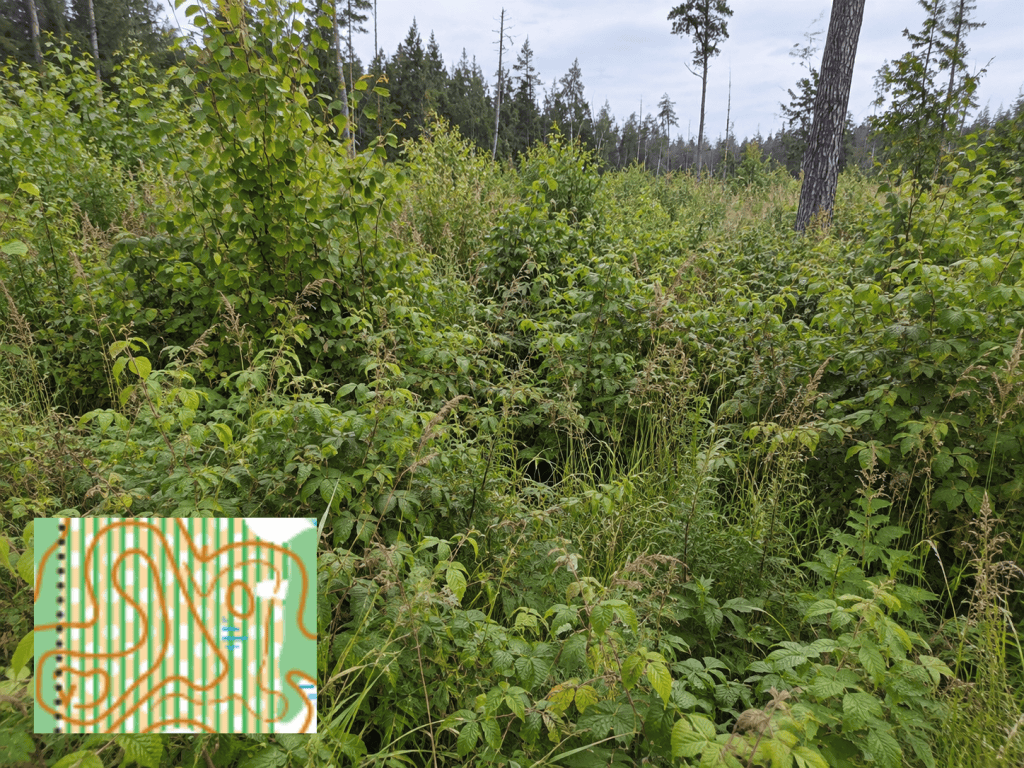
If you see those green lines overlaying the semi-open or yellow area, be ready to meet this type of vegetation. Surely you don’t want to cross it.
2. Water is always down
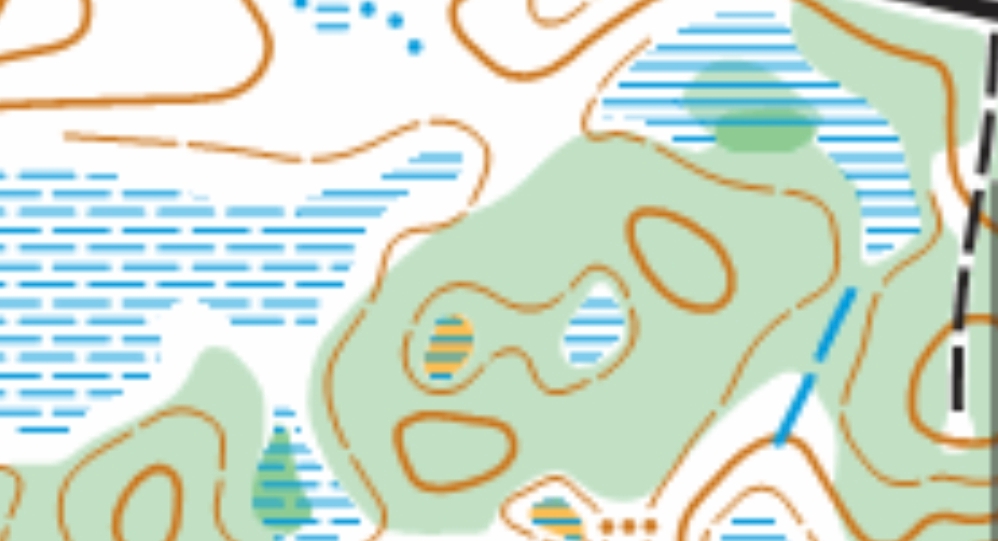
Missing that tiny stick showing the direction of the slope?
A useful tip: unlike in Scandinavia, on this terrain water is always found in the depressions. So even if a depressionis drawn without a “bergshtrich” and looks like a hill, you know it is actually a depression.
3. Direction of the slope
Struggling sometimes to understand whether those contours mean one slope or up and down?
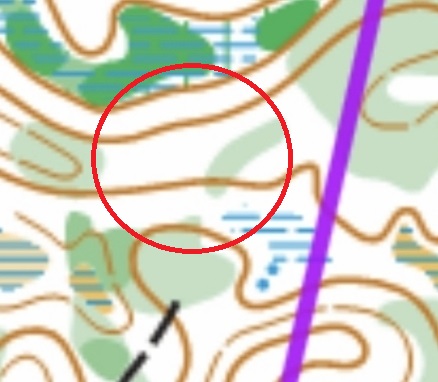
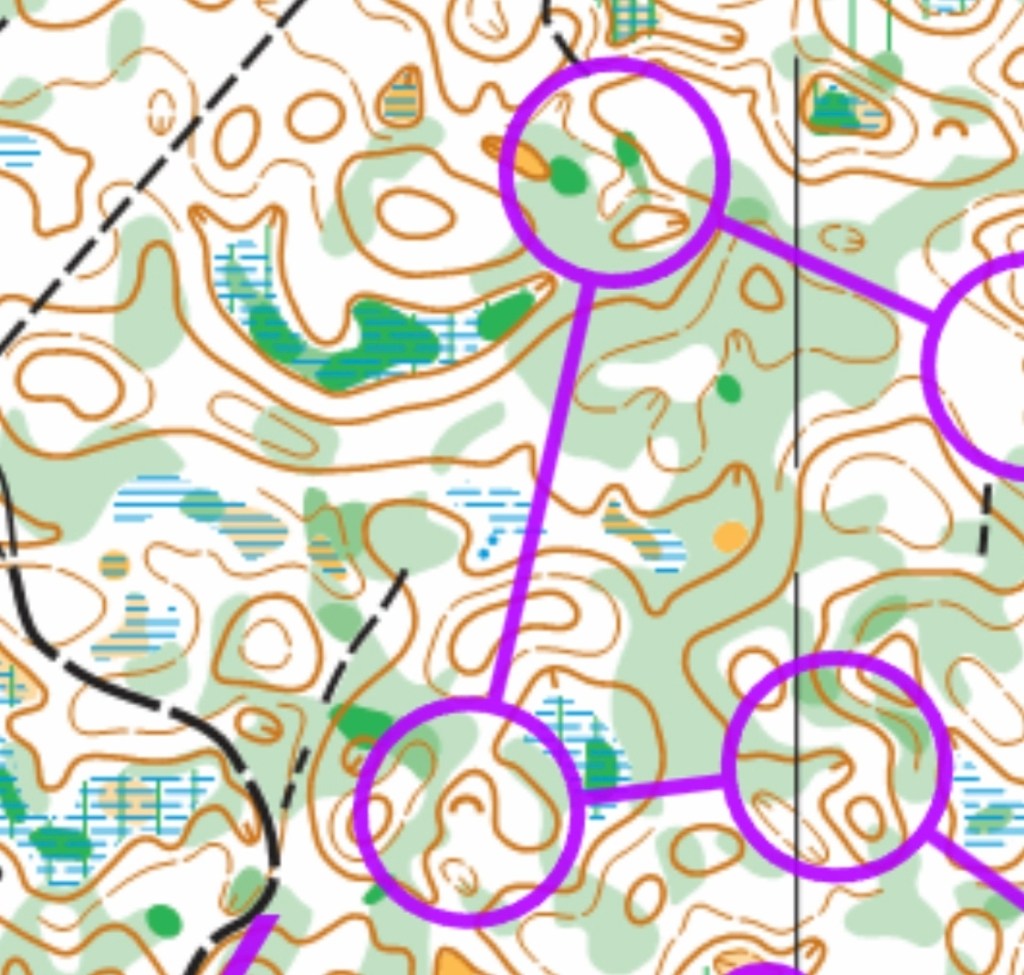
Look the area broader to see the “bigger” picture. Marshes are always in the low places, and low hills are often united into ridges
4. Yellow, white or green?
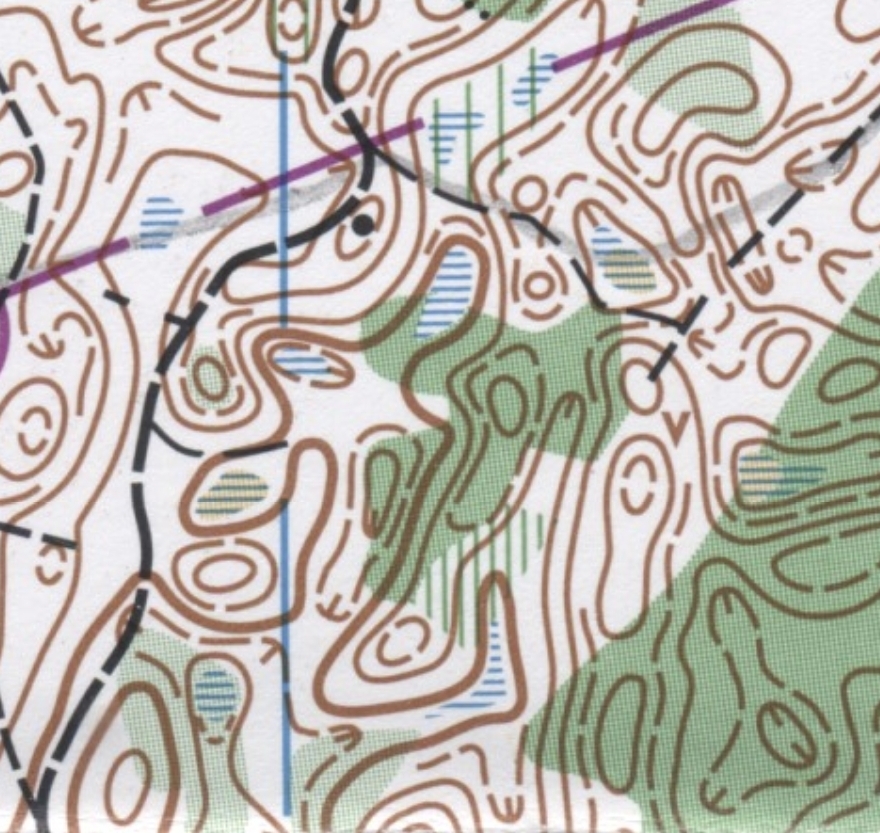
Little marshes like these have grass but often no tall grown trees inside, that’s why they can look like yellow from the side, even though they mapped as white or green.
Remember that the color on the map means runnability. Green marsh might look like yellow but low thick bush is still difficult to cross.
5. Detailed areas of micro-shapes
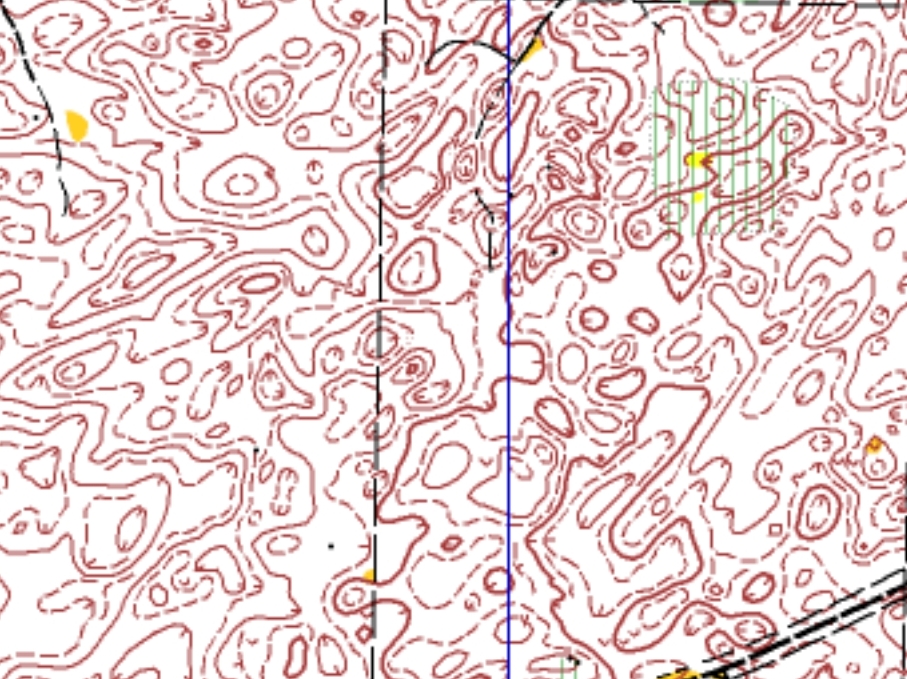
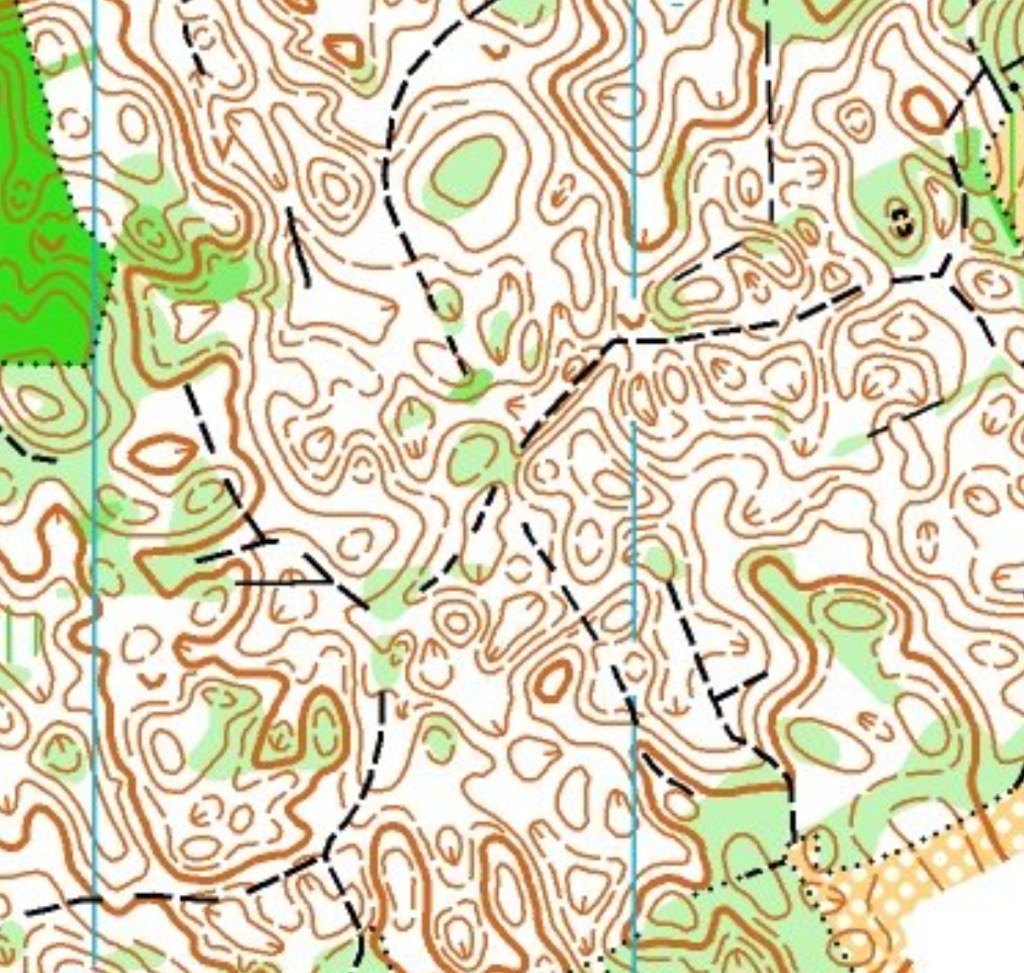
Even though all these little hills and depressions have unique shape on the map, they will look exactly the same if you get lost in the middle of them.
Hard truth about this terrain: It is barely possible to just notice and recognize such objects by eyes. That’s why running approximately and trying to relocate in NOT the best idea.
Useful tip: Instead of scanning terrain by eyes and trying to find something that looks similar to the necessary object, try to build up the understanding of the SITUATION around the object before arriving into the situation. Then, make it clear where inside the situation the object is going to be and how to attack it:
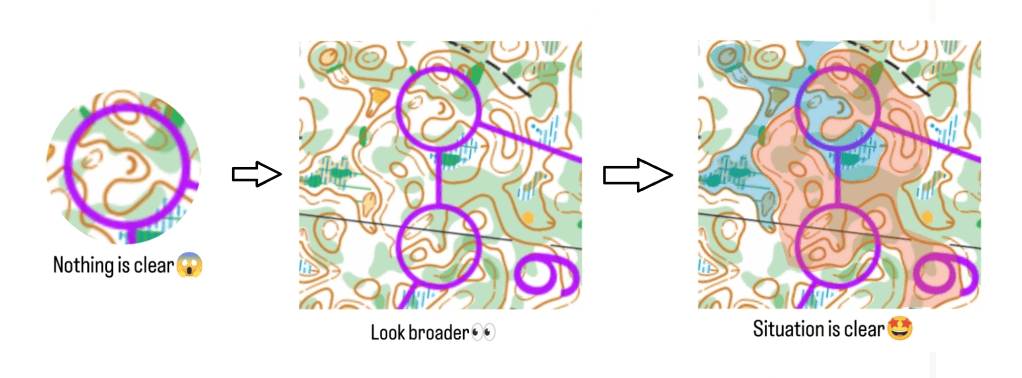
And what if the leg is long and all way unclear?
For longer legs, you repeat the same principle from situation to situation so that you maintain understanding where the next key object is going to be on the terrain
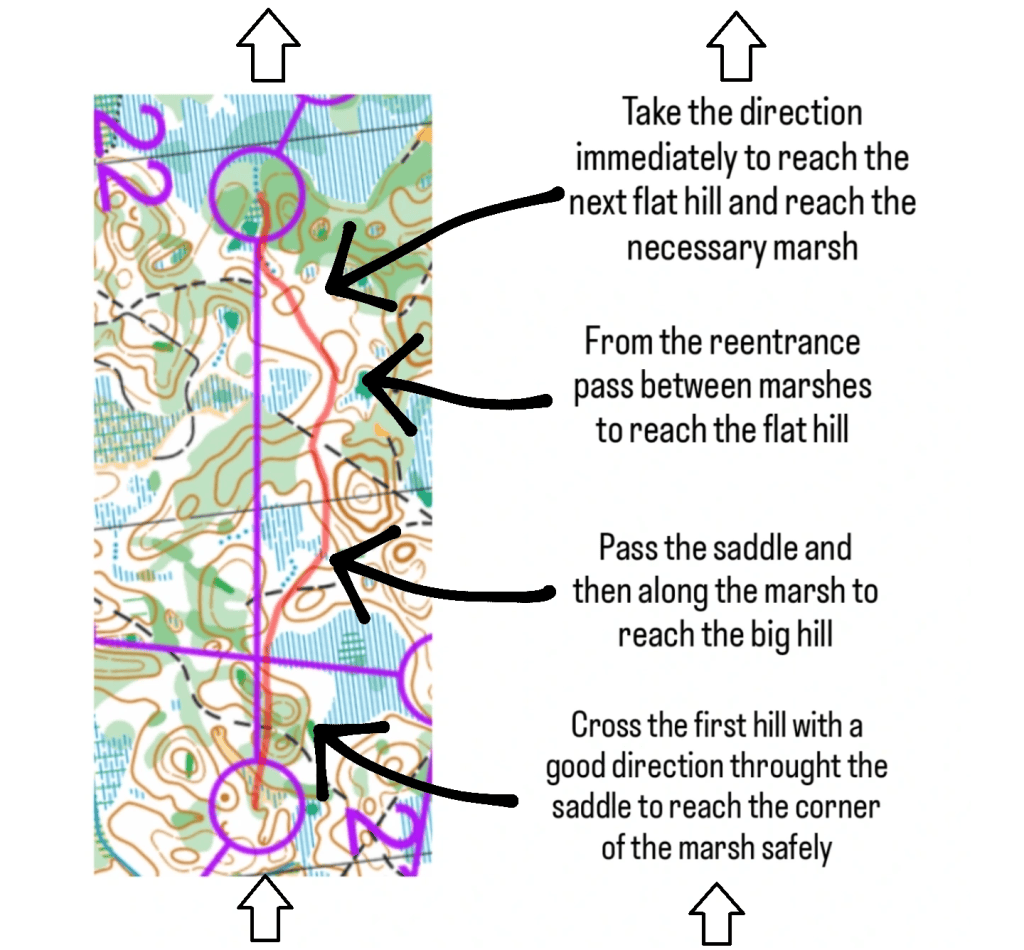
6. Direction
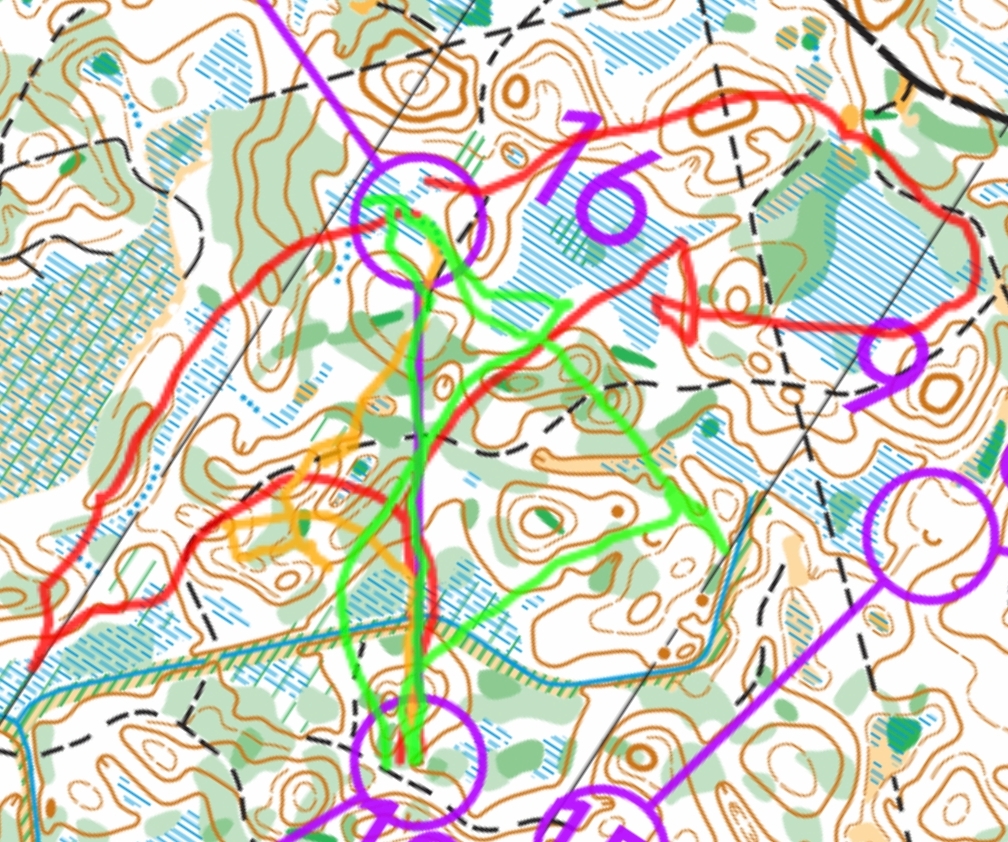
Direction is the key. But just controlling direction is often not enough. Useful tip: take the direction from the first meters and hold on even in the greens.
7. A bit of strategy
Sometimes you will need to read and understand tendencies, and take direction from the unclear place.
Remember: route choice in this terrain is not aiming to avoid climbing, but first of all maintain understanding where my next object is going to be.
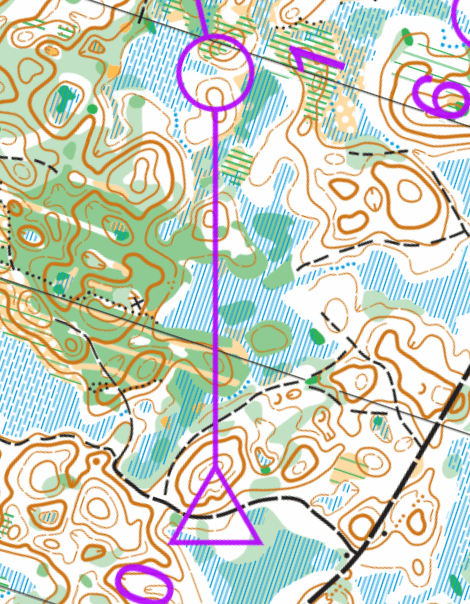
Practice now!
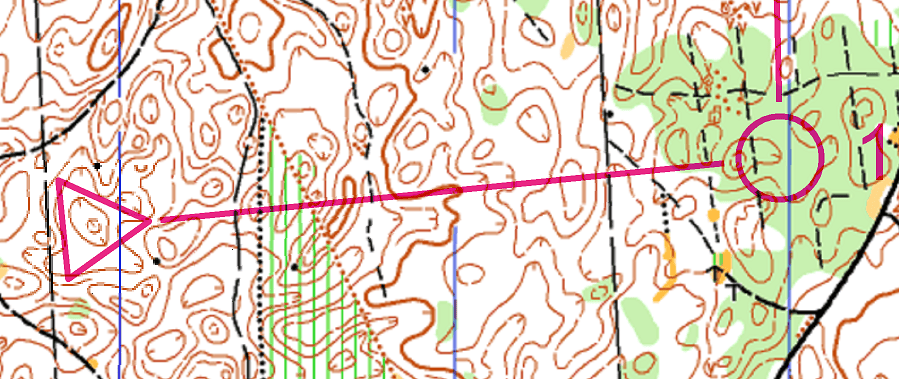
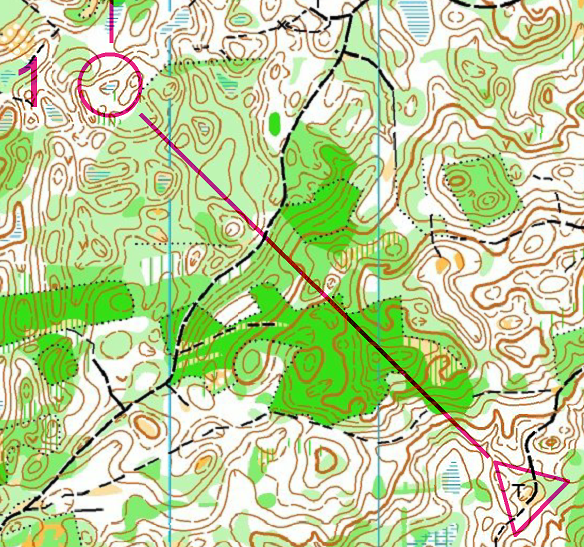
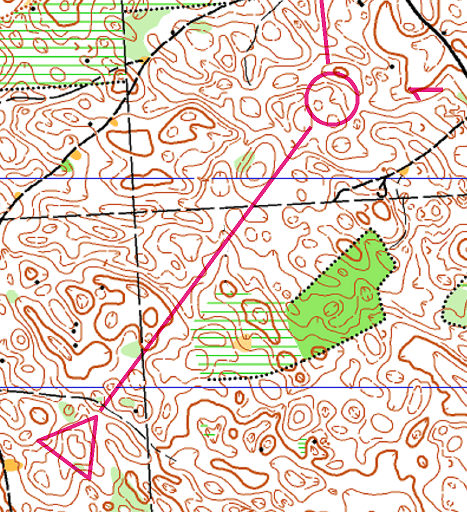
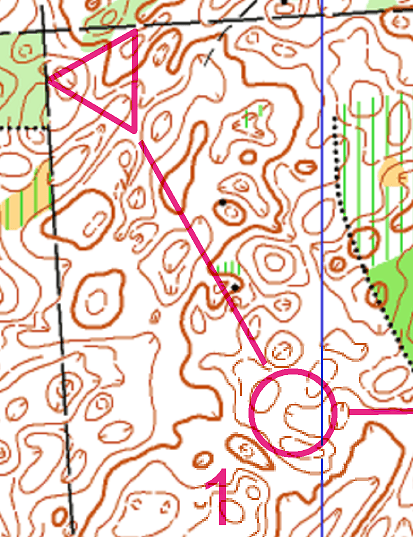
Good luck everyone! 💚🍀🌳🌲
 Svetlana Mironova | Elite Orienteering Technique
Leave a comment