
Tomorrow, the first stage of the Orienteering World Cup 2026 begins in Locarno.
The first international start of the season always carries a special kind of electricity. Nerves are sharper, expectations are higher, and many athletes arrive already in excellent shape and ready to face the challenges of the course, their rivals, and themselves.
Over the past years, Swiss organizers have built a reputation for creativity. After a usual beginning with a regular sprint, next day you can suddenly face an extraordinary solutions for the terrain usage at KO or relay. Their approach to course-setting is often anything but predictable. They don’t just use the terrain, they can easy reinvent it. They reshape familiar areas, reuse spaces in unexpected ways, and constantly find new methods to challenge even the most prepared athletes.
And preparation at this level goes far beyond physical training. Every elite athlete spends hours visualizing possible race scenarios, studying old maps, and trying to anticipate what kind of technical traps might appear. What might lead to a mistake? What will slow you down just enough to lose the race?
In this article, I’ve gathered some of the most memorable “tricks” used by Swiss organizers in recent years. Some of them were truly unexpected. Honestly, I was surprised and impressed. Maybe some of them can be used again, or will it be something new?
Double Labyrinth. Carousel Forking. Transformer House. Underground Battles. Sounds like titles of action thrillers, doesn’t it? And with Locarno starting tomorrow, I can’t wait to see what comes next.
1. The “Double Labyrinth”
Since 2021, starting with the European Orienteering Championships 2021, sprint races have almost inevitably included labyrinths.
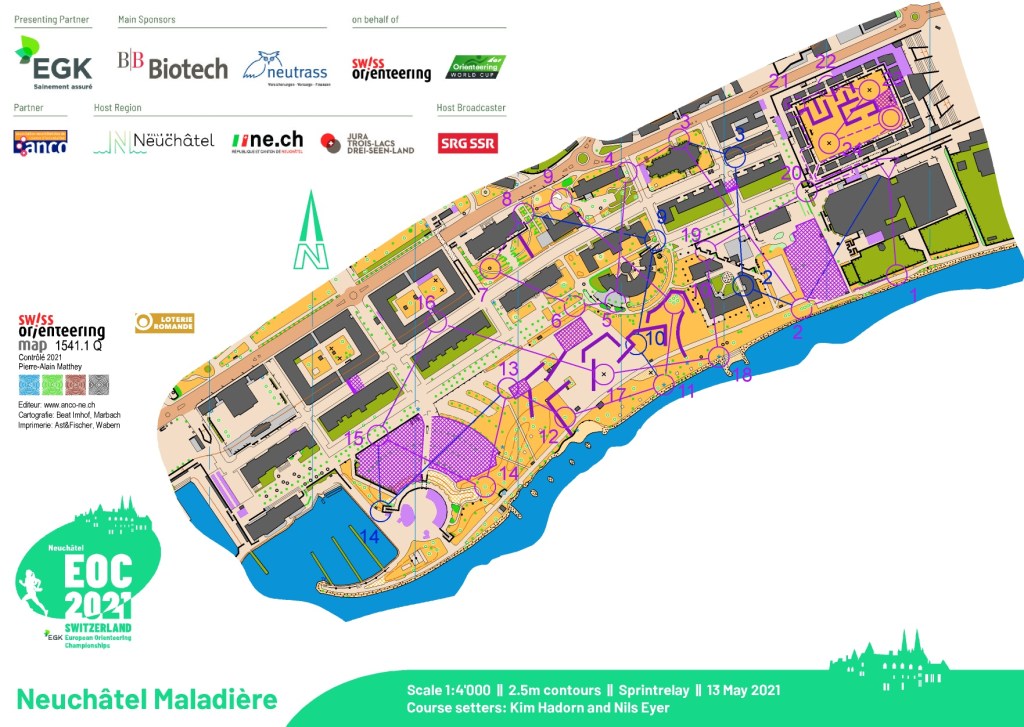
A simple open space or park is transformed into a dense navigation puzzle. And the key thing? You cannot predict its structure in advance. No preparation will fully save you, you just have to solve it on the way.
Two labyrinths in one sprint relay? That already happened. At the time, it felt new, but now it’s almost tradition.
By now, labyrinths evolved further. They became tools not just for navigation, but for route choice evaluation. And yes, sometimes you run them twice, from different angles:
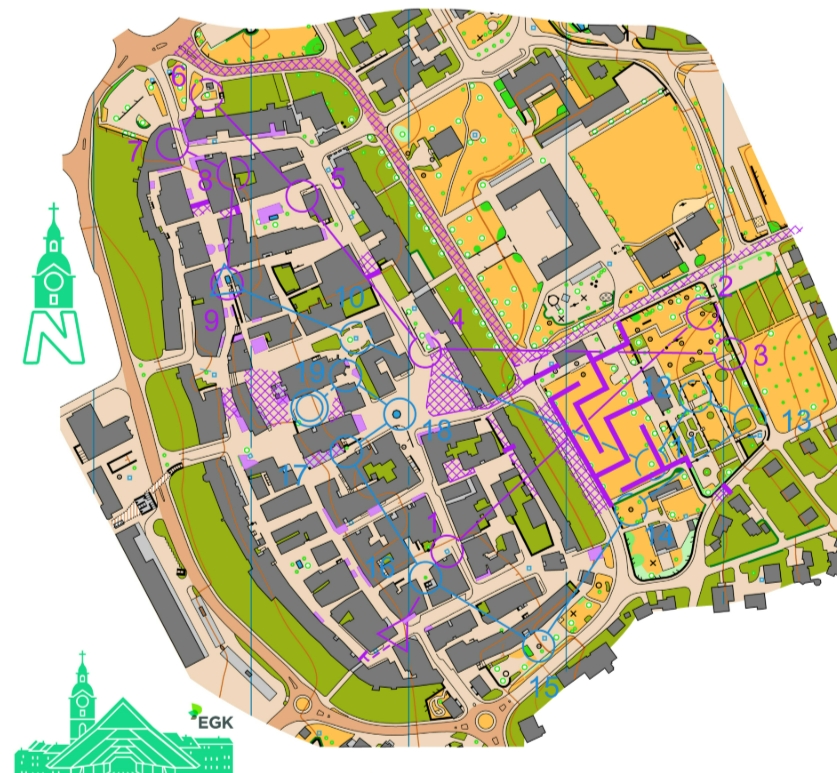
World Cup 2024 in Olten, Knock-out qualification. Labyrinth offers challenging route choice with difference in several seconds between options.
Many discuss if labyrinth should be or not in the course, but the truth for the athlete – the labyrinths will be surely used again.
Takeaway:
There will be a labyrinth. Maybe small, maybe decisive. But if you nail the first one, don’t relax. There might be another waiting.
2. Walls, and More Walls
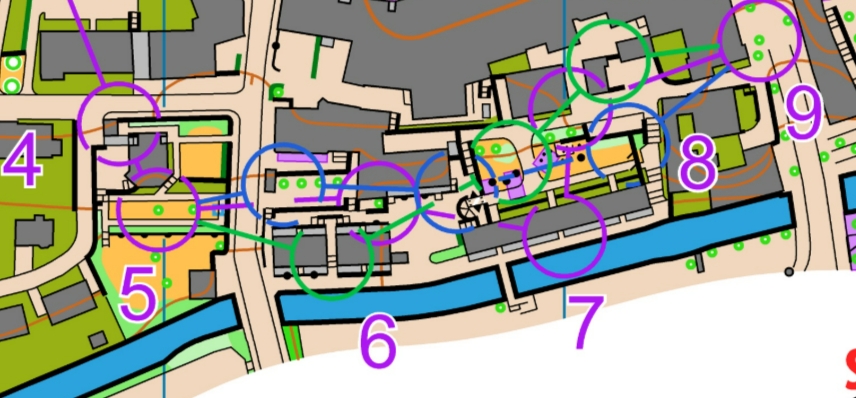
If there’s one thing that defines sprint orienteering, it’s walls, stairs and barriers. And Swiss organizers embrace this fully.
A great example appeared during the one of the rounds of KO sprint at Orienteering World Cup 2024 Olten, where athletes were forced into intricate route decisions through layered urban structures for the runner’s choice section.
Takeaway:
Precise map reading is everything. Know exactly where passages, entrances, and exits are. Plan clearly and allow yourself an extra second to do it. That second can save your race.
3. “Carousel” and Forking
…or “broken” runner’s choice. At the Orienteering World Cup 2025 Uster, organizers introduced something deceptively clever.
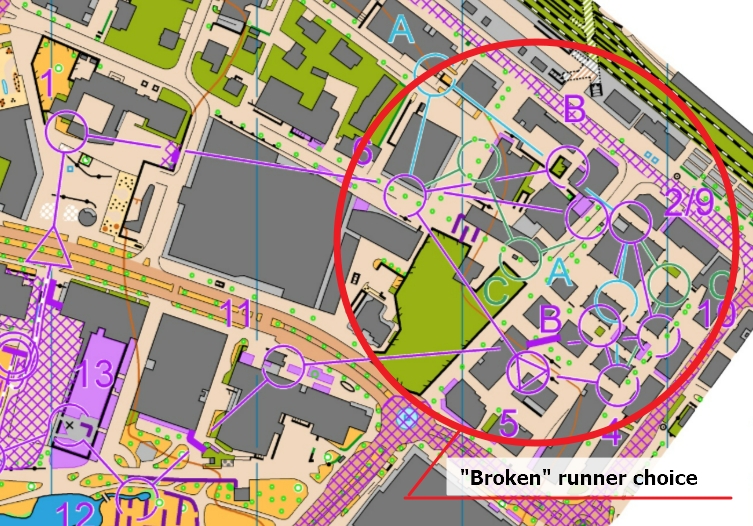
Athletes were given a runner choice for the one of the rounds of KO sprint. But not as usually. That looked like a straightforward section for spectators, but it was not what the runners saw in the 20sec of their choice time. In the reality competitors ran the second half of their choice first, then the beginning.
This was made possible by reusing one control point and switching parts inside a “carousel” structure. It completely broke the strategy of memorizing routes for the fragment during the pre-start 20 sec of runner’s choice.
Takeaway:
Memory can betray you. Trust what you see in the moment, not what you think you remember.
4. The Transformer House
In Olten, the city center was used for several days, but with a twist.
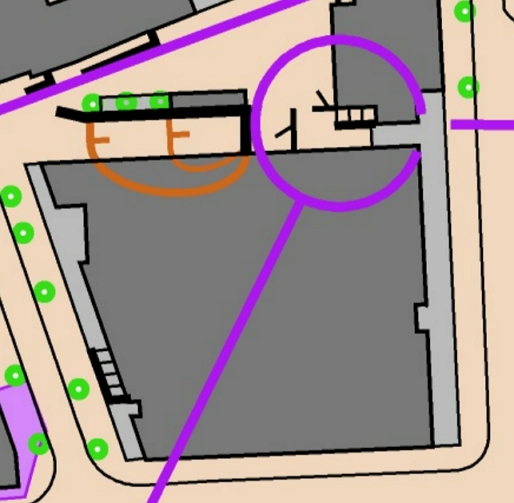
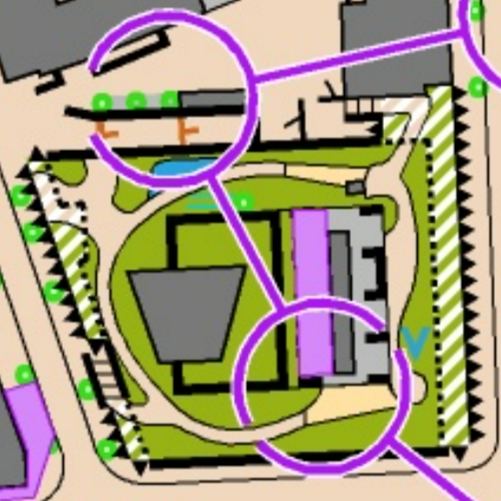
From KO to individual sprint, one building was changed. What was previously a standard structure became a multi-level feature. On the second day, a control appeared on the roof.
Thinking about Locarno, where the arena is promised to be at the same place during all the competition days, repeated terrain is almost guaranteed, and therefore some solutions can be made.
Takeaway:
Even if you’ve already run there, stay sharp. New passages may open, others may close. Some important details can be changed. Orienteering must be executed with full focus, every time.
5. Underground Battles
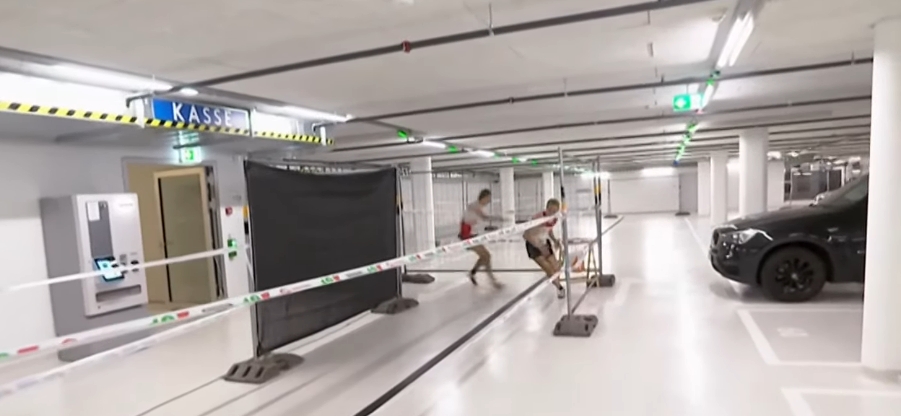
Who said sprint orienteering can go only to the roof? At the Orienteering World Cup 2025 Uster, athletes were sent into an underground parking garage.
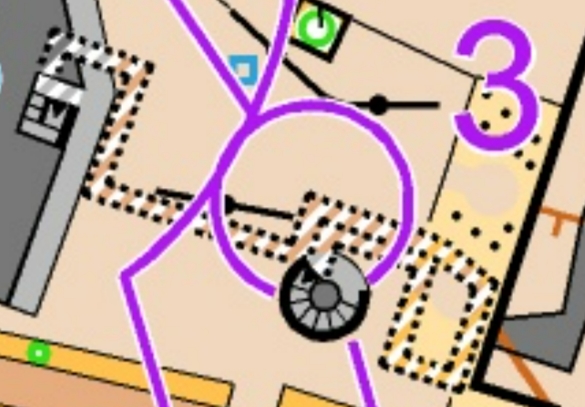
For those who hesitated for a second to process what was happening, the race was already slipping away.
Takeaway:
Anything is possible now. If the course goes underground, so do you. No hesitation. Just navigate.
6. The Ultimate Combo
The knockout sprint final in Uster last year actually just combined everything.
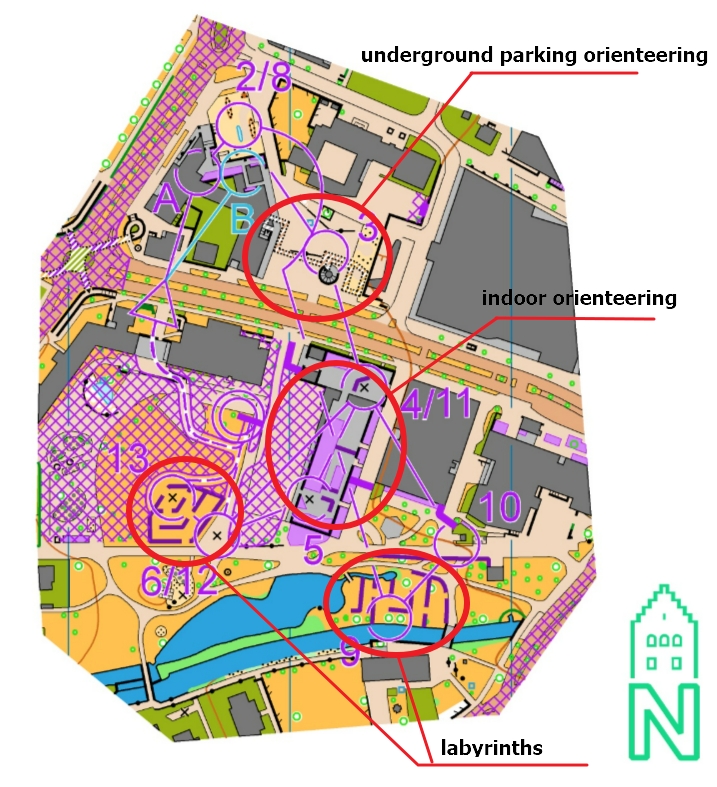
Indoor passages. Labyrinths. Underground sections. And spectators!
It wasn’t just a race, it was almost a statement: orienteering can happen anywhere, all at once.
No surprise it was awarded “Course of the Year” by World of O.
It proved something important: success in sprint orienteering isn’t just about studying maps or knowing the streets from Google Street View. It’s about how calmly and precisely you solve the problems set by the course planner, right there, in the moment.
The Swiss Crowd Effect
And then there’s something you can’t see on the map. The atmosphere. Racing in Switzerland feels different. The arenas are packed. The spectators are loud, passionate, and incredibly supportive. You won’t stay “inside your head” for long.
From personal experience, I remember moments when the cheering was so intense it completely broke my concentration. And it was unforgettable!
You might find a group of fans anywhere on the course, even in the quietest corner. And they will cheer for you by name. It’s incredible and it can also make your thoughts fall apart.
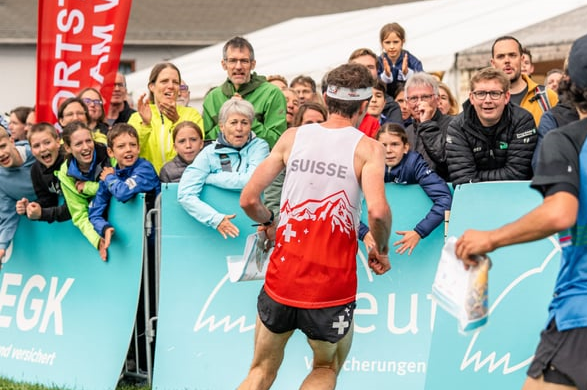
picture by Silvan Schletti
Final Thoughts
Many courses at the World Cups in Switzerland courses push cognitive limits. It’s not just navigation. Nowadays it is not anymore the challenge to go smoothly through the streets, it is a competition of psyches. Precise and rapid decision-making is a key skill of modern sprint orienteering. To all athletes: enjoy it. Embrace the challenge, the unpredictability, the noise, the pressure.
And to the organizers, surprise us again!


Leave a Reply